Introduction
The Purity Challenge in 2026
The popularity of pure organic essential oils is on the rise in 2026. People who use these oils for aromatherapy, skincare, health & wellness, and home fragrance purposes are looking for oils that are pure, safe, and derived from real plants. As demand increases, buyers are also actively searching for trusted organic essential oils wholesale suppliers who can guarantee authenticity and consistent quality. But with rising demand comes a growing problem: adulteration, dilution, and misleading labels.
In addition to products being falsely labelled as pure or organic, there are a significant number of products sold that contain synthetic additives, fillers, and grade oils. To find the best essential oil brand in India, you need to look at the label and know how to verify the authenticity of a product by looking at the information provided regarding testing, transparency, and sourcing practices.
Knowing what to check helps buyers make confident, informed decisions.
The GC/MS Test (The Gold Standard)
Gas Chromatography-Mass Spectrometry (GC/MS) is the most reliable means to verify Essential Oil (EO) purity via lab testing. It provides the precise chemical makeup of an EO and identifies any impurities or synthetic additions.
A reputable supplier will produce clear, batch-specific reports, not generic certificates, and will always back up their product with a GC/MS report specific to that batch number so that the consumer has evidence to support any purity and authenticity claims. Without GC/MS testing, trust in purity claims would be extremely difficult to establish.
Find us: https://maps.app.goo.gl/R3GRMmEr6qMYrCaEA
Botanical Names & Labeling Transparency
Well-defined labels indicate a quality product, as true essential oil will have the plant’s botanical (Latin) name, the method of extraction, and where it was made.
As an example, “Lavandula angustifolia” is much more precise than just saying the word “lavender oil”. Labels that are clearly defined provide both professionalism and traceability. Because of this, the finest quality essential oils will have an abundance of detail regarding the ingredients on their label and little to no vague marketing terminology.
If you have concerns about whether or not a particular label is clear or has sufficient information, you should be cautious.
Sensory & Packaging Checks
Quick checks assist in determining the quality before making a purchase.
- Smell: Pure oils should have a natural smell and not be too strong or artificial.
- Feel: Generally, most essential oils will feel light with little or no residue left.
- Colour: There will be natural colour variations, but cloudy oils or oils that are too bright could indicate that they have been contaminated.
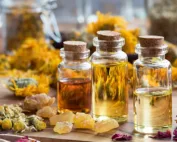
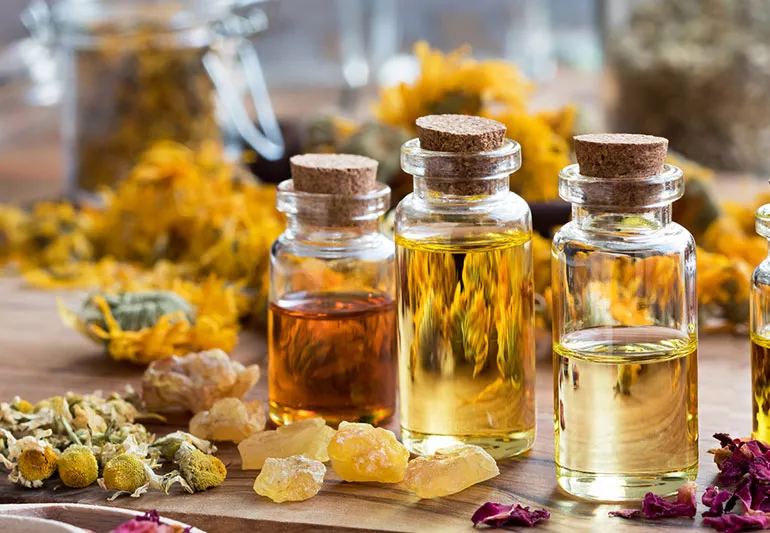
- Packaging: Essential oils should be packaged in dark glass to keep the oils free from being damaged by light and maximise potency.
- Cap and seal: A tight-fitting cap will keep the essential oils from deteriorating through oxidation or leaking.
These simple checks can be helpful to small buyers and for those who are new to using essential oils.
Sourcing for Business: Wholesale & Manufacturing
Sourcing is increasingly technical for retailers and brands as well as for bulk buyers. In addition to purity, consistency, capacity, and compliance are all critical elements of the sourcing process.
Sourcing directly with verified wholesalers or manufacturers guarantees advantageous pricing, quality control of the products, and reliable delivery. Look for potential partners who provide:
- Documentation and batch testing;
- Consistent production capabilities;
- Certifications and standards for safety;
- Transparency in their sourcing practices;
- Prompt delivery.
Lowering your risk through the development of solid relationships with suppliers will also help ensure that you maintain consistent product quality across multiple batches.
Conclusion
Purchasing pure organic essential oils should not rely on attractive labels (e.g., packaging) or appealing marketing claims: verification, transparency, and sourcing from trustworthy suppliers are critical here.
When buying oils either for yourself or your business, use GC/MS analysis and carefully examine botanical data labels and packaging quality to make good choices to help avoid blended oils so you can select quality oils. Making informed decisions will provide you with the cleanest, most authentic, and safest products possible and help you find good long-term value.
Purity is a requirement; there is no choice!
Learn about: 10 Must-Have Aroma Chemicals for Fragrance Formulators in 2026
Most Recent Posts