Every great fragrance begins with carefully chosen raw ingredients that contribute to their quality, character, performance, and longevity. Ingredients in perfumes could include anything from floral to woody notes, as well as various fruity scents. The manufacturer’s choice of high-quality raw materials creates their unique perfumes. To ensure consistency, new-product development, and dependable production, fragrance manufacturers should work with reliable perfume raw materials supplier. As the market for premium perfumes continues to grow, finding proper suppliers for top-grade raw materials is becoming increasingly important.
What Are Perfume Raw Materials?
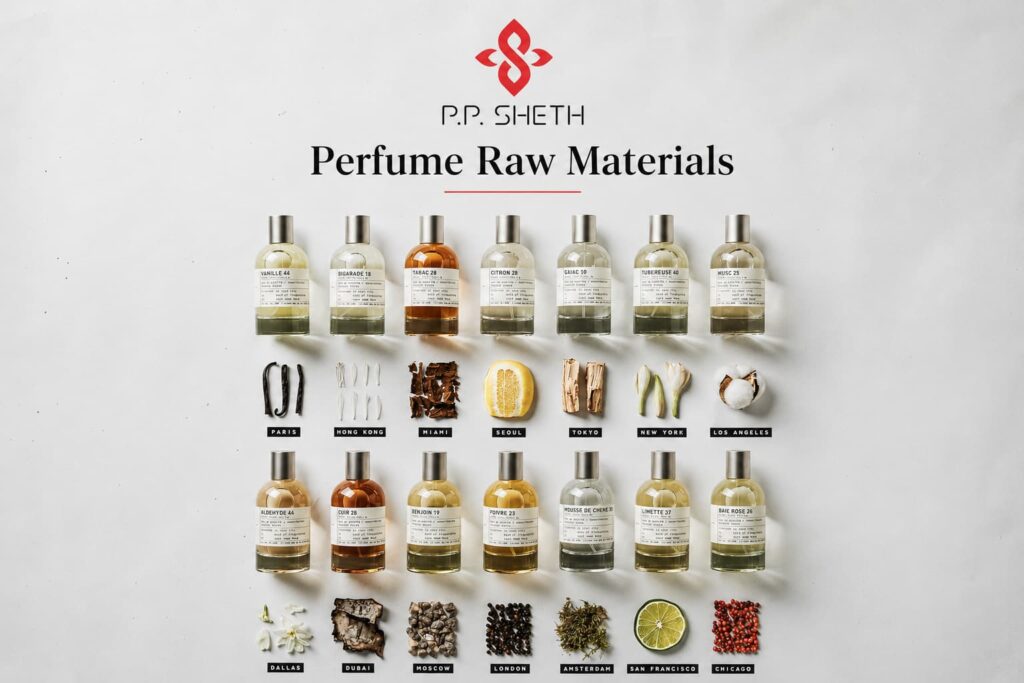
Perfume raw materials are used to create fragrances. Perfume raw materials consist of natural and synthetic substances that form the foundation of a fragrance. These distinct scent components must be expertly blended to produce the final perfume.
Common perfume raw materials consist of essential oils, absolutes, aroma chemicals, resin, musk, and botanical extracts, and all are used in modern perfumery in conjunction with each other to provide perfumes with balance, complexity, and longevity.
Essential Natural Perfume Raw Materials Used in Fragrance Manufacturing
Natural perfume ingredients are prized for their richness and authenticity. They are plant-based, derived from flowers, fruits, woods, and spices, and add depth and complexity to fragrance blends. Commonly used natural raw materials are:
- Rose Absolute
- Jasmine Absolute
- Sandalwood Oil
- Bergamot Oil
- Patchouli Oils
- Vetiver Oils
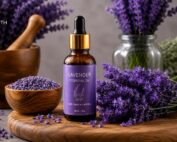
- Lavender Oil
All of the above can be found in luxury perfumes or niche fragrances; however, natural materials also present a challenge in terms of quality due to climate, growing conditions, and how they are extracted.
Key Synthetic Perfume Raw Materials Used by Modern Manufacturers
Synthetic materials have drastically changed the way fragrances are made today, making them more consistent, less expensive, and much more flexible. Many modern perfumes are crafted primarily from synthetic materials, allowing perfumers to develop innovative and exciting fragrances while using advanced manufacturing technology to enhance overall performance.
Some commonly used synthetic materials include:
- Ambroxan
- Hedione
- Iso E Super
- Galaxolide
- Cashmeran
- Ethyl maltol
These materials allow perfumers to create fragrance effects that are difficult or impossible to obtain from natural sources. They also improve stability and support large scale manufacturing requirements.
How Fragrance Manufacturers Select Perfume Raw Materials
Choosing perfume ingredients takes into account multiple factors when determining the appropriate raw materials to use. The perfume manufacturers must also consider factors such as fragrance performance; cost; safety; and sustainability when choosing materials.
Some considerations includes:
Fragrance Profile
The scent profile determines which specific types of ingredients are needed to complete the final formulation.
Quality and Consistency
Reliable sources of raw materials ensure that each batch produced possess the same characteristics.
Compliance with Regulations
Manufacturers must use raw materials in their products that comply with applicable regulatory requirements, including local, national, and international regulations.
Supply Availability
Consistent sourcing is needed to continue production processes without interruption and long term product success.
Partnering with established bulk fragrance suppliers guarantees manufacturers consistent quality and a reliable supply chain for raw materials.
Natural vs Synthetic Perfume Raw Materials: Understanding the Difference
Fragrance creation today relies heavily on both natural and synthetic ingredients; understanding the difference between these two types of compounds helps the manufacturer in making informed sourcing decisions.
Natural Ingredients
Natural ingredients provide an authentic scent that has an originality rarely matched by synthetic products, and as such, many consumers prefer them when purchasing premium or botanical fragrances.
Synthetic Ingredients
Synthetic substances allow for greater consistency in the finished product, as well as being more affordable and providing manufacturers with greater flexibility when developing formulations. These products allow manufacturers to be less dependent on natural resources.
Many of the most popular perfumes produced today utilise both types of ingredients to achieve maximum creativity, performance, and sustainability.
Why Choosing the Right Perfume Raw Materials Supplier Matters
The quality of the raw materials used to produce it directly affects the fragrance of the perfume. A trusted perfume raw materials supplier provides a stable product line with technical support and a reliable schedule for shipping.
Some of the advantages to using a reputable supplier are:
- Consistent ingredient quality.
- Reliability of raw materials from batch to batch.
- Regulatory documents provided for all shipments.
- Technical personnel available as needed.
- Efficient Logistics support
Many fragrance manufacturers work with established aromatic chemical wholesale suppliers in India to have access to high-quality raw materials as well as an established supply chain. By partnering with reliable suppliers, manufacturers can reduce their production risk while providing a consistent fragrance experience for their customers.
Emerging Trends in Perfume Raw Materials and Fragrance Development
As consumer preferences change and people focus on sustainable practices, the fragrance market continuously adapts. Manufacturers in this industry are now looking towards innovative ingredient use as well as new production techniques.
Some key trends emerging are as follows:
Sustainable Sourcing
More brands are using responsibly sourced raw materials and developing supply chains that are environmentally friendly.
Biotechnology Based Ingredients
Biotechnology allows the bioengineering of fragrance molecules and has provided manufacturers with options that are more sustainable than traditional methods.
Clean Fragrance Formulations
Consumers want more transparency regarding their products, so they are looking for fragrance formulations that have clear and safe ingredient sourcing.
Advanced Aroma Chemicals
New advances in fragrance technologies have allowed perfumers to develop unique scent experiences while also allowing for longer lasting fragrances.
The above trends continue to impact how the industry develops, and both manufacturers and bulk fragrance suppliers are putting forth major efforts into developing innovative ways to meet the needs of the ever changing fragrance industry.|
Read Also Related Blogs:-Essential Oil Manufacturers in India- Find Trusted Suppliers for Quality Oils
Conclusion
Every successful fragrance begins with perfumery raw materials; they influence fragrance scent quality, performance, and consumer acceptance. All modern fragrance manufacturers rely heavily on their established suppliers to provide a consistent supply of high-quality raw materials that enable creativity and production efficiency.
Selecting the right perfume raw materials supplier is critical because you are guaranteed not only quality raw materials but also a dependable supply chain and the technical assistance needed to design new fragrances. The continuing evolution of fragrance innovation requires strong supplier partnerships as key players for developing innovative fragrances that can dominate the marketplace.
FAQs
What are the most important perfume raw materials used in fragrance manufacturing?
Raw materials used in perfume compositions are essential oils, aroma chemicals, absolutes, musks, resins, and botanical extracts. These ingredients work together to create complex and balanced fragrances.
What is the difference between perfume raw materials and fragrance oils?
Perfumes are created by blending individual raw materials, whereas fragrance oils are pre-mixed scents ready for direct use in products.
Why do fragrance manufacturers use aroma chemicals in perfumes?
Aroma chemicals are added to give them consistency, stability, and cost-effectiveness and access to scent profiles that may not be achievable using natural ingredients alone.
How do manufacturers choose reliable perfume raw material suppliers?
Perfume manufacturers evaluate potential vendors based on product quality, certification and related technical support, supply consistency, and industry reputation.
Are natural perfume ingredients better than synthetic fragrance ingredients?
Neither natural nor synthetic ingredient is better. Natural scenting materials provide authenticity and complexity, but synthetic ingredients provide consistency, performance, and sustainability. Most perfumes contain a combination of both.
Most Recent Posts