
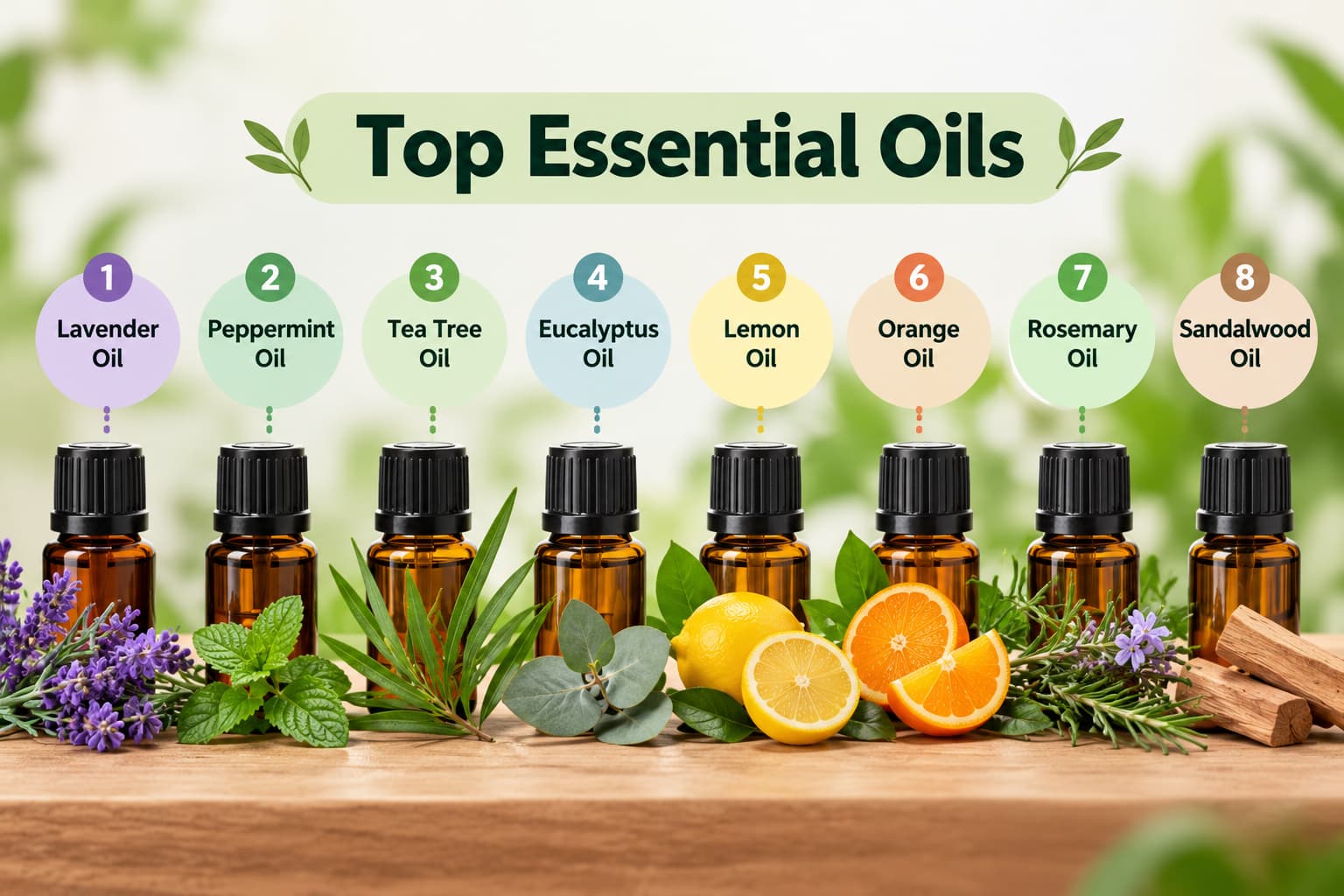
A perfume can smell wonderful when you first apply it, then seem to disappear before the day is over. Understanding which essential oils for long-lasting perfumes perform best helps fragrance creators design blends that endure throughout the day. Woody and resinous oils are often used to add depth, while lighter citrus and floral notes bring brightness to a blend.
For perfume makers and fragrance brands, the key is to think about the whole formula. No single oil can guarantee a long-lasting perfume, but the right combination can create a fragrance that develops beautifully from its first spray to its dry-down.k
What makes essential oils for long-lasting perfumes effective?
Perfumes are often described in three stages:
- Top notes create the first impression. Citrus oils are common here, but their bright, fresh scent usually fades sooner.
- Heart notes form the fragrance’s central character. Floral, herbal and spicy materials often play this role.
- Base notes emerge more gradually and help give a perfume depth. Woody and resinous materials are popular choices.
Sandalwood, patchouli, vetiver and cedarwood are often used in base accords because of their rich, grounded aromas. Still, a long-lasting ingredient won’t automatically make the finished perfume last longer. The result depends on the quality of the oil, its amount in the formula, and how it works with the other ingredients.
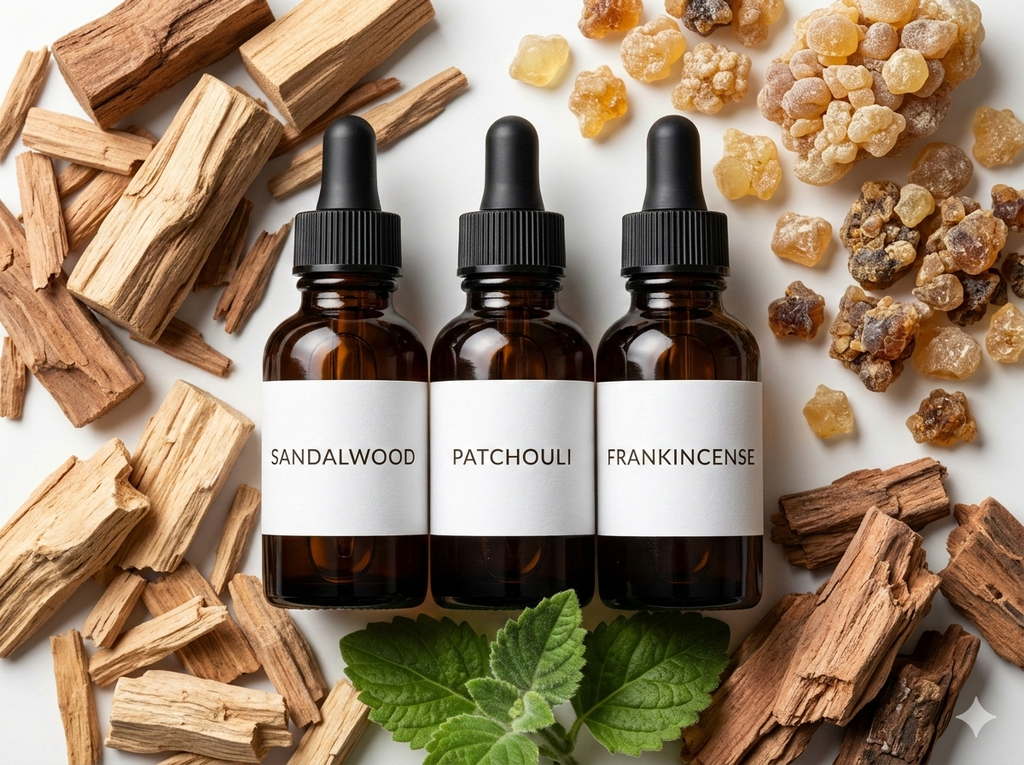
Essential oils often used in long-lasting perfumes
Sandalwood
Sandalwood has a smooth, creamy, warm and woody scent. It can soften sharper notes and bring a polished feel to woody, amber-style and floral perfumes. It is also popular in unisex fragrances.
When choosing sandalwood as one of your essential oils for long-lasting perfumes, always verify the botanical species, origin and supplier documentation. Products sold under the same common name can differ, and sandalwood materials can vary considerably in price and availability.
Patchouli
Patchouli is earthy and woody, with a slightly sweet, sometimes camphor-like edge. It can give a blend a darker, richer character and stands out among the top essential oils for long-lasting perfumes. Quality patchouli oil is widely used for creating lasting depth in fine fragrance.
It pairs well with sandalwood, vetiver, citrus, florals and vanilla-style accords. Because patchouli has a distinctive scent, use it thoughtfully: too much can dominate a composition.
Vetiver
Extracted from the roots of vetiver grass, vetiver oil is often dry, earthy, smoky and woody, sometimes with a green quality. It suits fragrances that need depth without extra sweetness.
Vetiver works particularly well with citrus, spices and cedarwood. Its scent can vary with its origin and extraction method, so try a sample before committing to a larger purchase.
Cedarwood
Cedarwood offers a dry, warm woody scent that may come across as balsamic or pencil-like. Different cedarwood species have different aromatic profiles, so it’s useful to confirm which one you’re sourcing.
It can help build a woody accord or support citrus, herbal, spicy and floral notes. Selecting the right cedarwood variety ensures you get the most out of your essential oils for long-lasting perfumes.
Frankincense
Also known as olibanum, frankincense has a resinous, woody aroma with fresh, citrusy and incense-like facets. It can bring an airy, atmospheric quality to a blend and works well with woods, spices and other resins.
Frankincense is used in incense-inspired, woody and aromatic fragrances. Its staying power depends on the material and the finished formula, so evaluate it in the perfume rather than judging it on its own.
Myrrh
Myrrh has a warm, balsamic, earthy scent that can also seem slightly medicinal. It suits rich, resinous fragrances and can pair well with frankincense, patchouli, sandalwood and spices.
Because myrrh has a strong personality, test it at different levels. A small amount may add welcome depth; too much can overwhelm the other notes.
Labdanum and other resins
Labdanum is a resinous material from rockrose, used for warm, ambery, leathery and balsamic effects. It isn’t usually supplied as a conventional steam-distilled essential oil; you may find it as a resin, absolute or other extract.
Benzoin and selected resins can also add warmth and richness. When buying these materials, confirm exactly what the product is, how it is supplied and whether it suits your formulation.
Match ingredients to the fragrance style
These pairings are starting points, not fixed recipes:
| Fragrance style | Materials to consider |
| Woody | Sandalwood, cedarwood, vetiver |
| Earthy | Patchouli, vetiver |
| Fresh woody | Cedarwood, vetiver, citrus oils |
| Amber-style | Patchouli, sandalwood, myrrh, labdanum |
| Incense-inspired | Frankincense, myrrh, cedarwood |
| Floral woody | Sandalwood, patchouli, selected floral oils |
| Unisex | Vetiver, cedarwood, patchouli |
The proportions matter as much as the chosen ingredients. When combining different essential oils for long-lasting perfumes, a balanced formula lets each note contribute without letting a powerful base material take over.
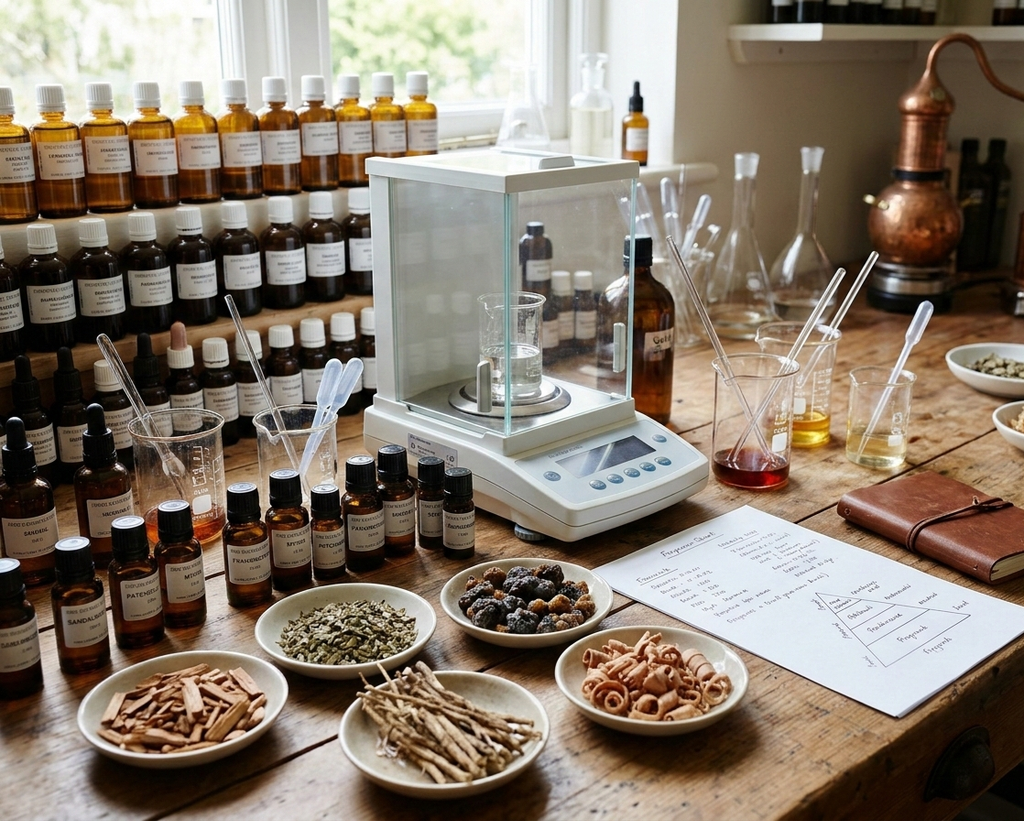
Essential oils and fragrance oils: what’s the difference?
Pure essential oils come from botanical materials and are commonly produced by distillation or expression. Using pure essential oils for long-lasting perfumes provides rich botanical nuances, though their aroma can vary with the plant, growing conditions, harvest and extraction method.
Fragrance oils are blends that may include natural ingredients, synthetic aroma chemicals or both. They can be designed for a particular scent profile and may offer greater batch-to-batch consistency.
Neither type always lasts longer. Performance depends on the individual materials and the formula. When choosing between them, consider your target scent, budget, consistency needs, safety requirements and brand positioning.
Tips for improving perfume longevity
A persistent fragrance is built through formulation and testing. A few useful practices:
- Give the perfume a clear structure. Combine bright top notes with heart notes and suitable woody or resinous materials.
- Test ingredients in the full blend. An oil’s scent on its own may change once it’s mixed with other ingredients.
- Adjust concentration carefully. More fragrance material may increase intensity, but it doesn’t guarantee longer wear.
- Choose a suitable base. Alcohol, carrier oils and other formulation bases affect how a perfume dissolves and releases its scent.
- Check the fragrance over time. Note how it smells just after application and as it develops through the dry-down.
- Store materials well. Keep oils tightly sealed and away from excess heat, light and air.
For commercial production using essential oils for long-lasting perfumes, check the safety limits and regulations that apply to your ingredients and intended market.
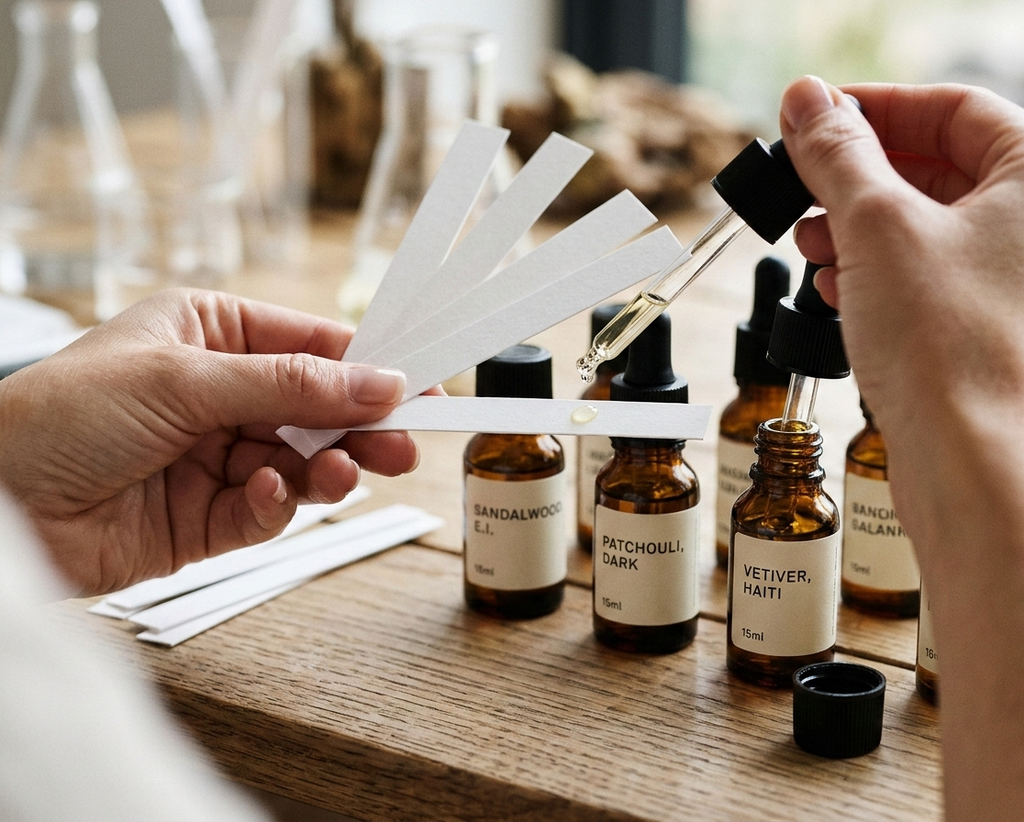
Choosing oils for commercial production
A good aroma is only part of the sourcing decision. Before placing a bulk order, review the supplier’s product information and request samples where possible. Check:
- Botanical identity and plant part
- Purity and available analytical documentation
- Origin, batch identification and traceability
- Extraction method and product specifications
- Safety data, allergen details and other relevant documents
- Lead times, minimum order quantities and repeat-order availability
- Responsible sourcing practices where relevant
No single document proves that a material is right for every use. Assess the supplier’s information alongside your own sample review and formulation testing.
Avoid choosing an oil based on smell alone, assuming natural materials always last longer, or buying a large quantity before checking how a batch performs. Also test for solubility, clarity and stability in the intended product.
Businesses looking for essential oils and fragrance ingredients in bulk can review the product range at P.P. Sheth Aromas and contact the supplier to discuss specifications, availability and sourcing needs.
Frequently asked questions
Which essential oil lasts longest in perfume?
There isn’t one answer for every formula. Sandalwood, patchouli, vetiver and some resinous materials are commonly used in base accords, but their performance depends on the specific material and the finished blend.
Are sandalwood and patchouli good base notes?
Yes. Sandalwood brings smooth, creamy woodiness, while patchouli adds earthy depth. Both can work well in woody, amber-style and unisex fragrances.
Do essential oils last longer than synthetic ingredients?
Not necessarily. Longevity depends on the properties of each aromatic material and how it behaves in the formula. Some natural oils are persistent, and some synthetic ingredients can also perform well over time.
How should I store essential oils?
Keep them in tightly sealed, compatible containers away from direct sunlight and excessive heat. Follow the supplier’s storage guidance, and record batch numbers and opening dates.
Conclusion
Sandalwood, patchouli, vetiver, cedarwood, frankincense and myrrh are among the best essential oils for long-lasting perfumes, each offering a different way to bring depth to a fragrance. Labdanum and other resins can add warm, rich character, too.
For brands and perfume makers, thoughtful sourcing, sample testing and careful formulation all help create fragrances that are consistent and enjoyable to wear.