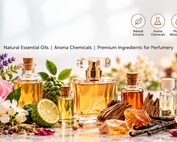
Every perfume begins with the right fragrance raw materials. From natural essential oils and floral extracts to modern aroma chemicals, these ingredients help perfumers create the top, heart, and base notes that define a fragrance.
Choosing the right raw materials can influence fragrance character, performance, consistency, stability, and production cost. For manufacturers and formulators, sourcing high-quality ingredients from a reliable supplier is equally important.
In this guide, we explore the most commonly used fragrance raw materials, their characteristics, applications, and what buyers should consider when sourcing them for perfume and fragrance manufacturing.
What Are Fragrance Raw Materials?
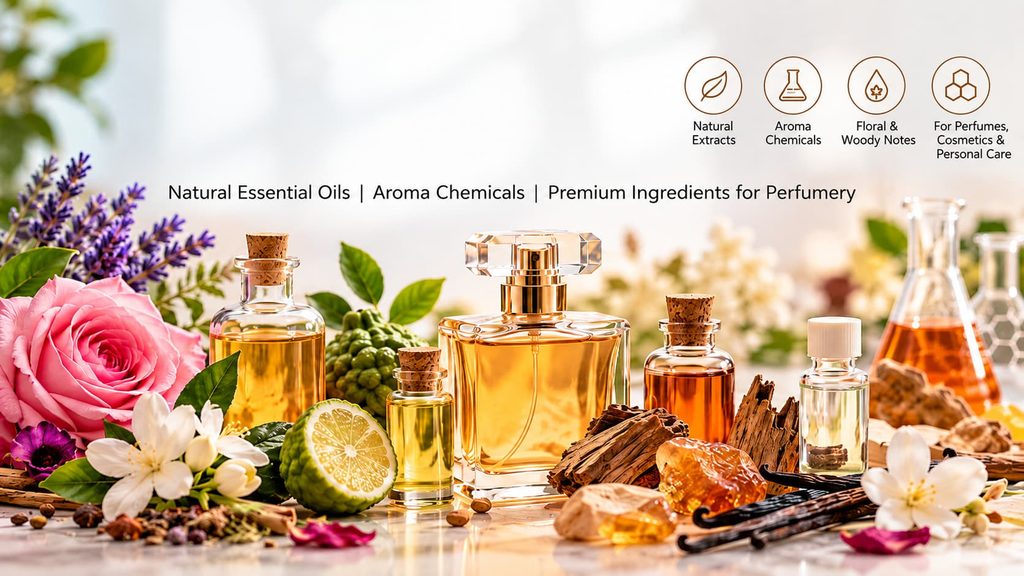
Fragrance raw materials are natural or synthetic ingredients used to create fragrance compositions. They can include essential oils, absolutes, resins, botanical extracts, aroma chemicals, musks, fixatives, and other specialty fragrance ingredients.
Natural materials are generally obtained from plants through processes such as steam distillation, cold pressing, solvent extraction, or other extraction techniques. Synthetic aroma chemicals, on the other hand, are individual molecules produced through chemical synthesis or biotechnology.
Modern perfumery commonly uses a combination of natural and synthetic ingredients. Natural materials can contribute complexity and distinctive character, while aroma chemicals can provide consistency, stability, diffusion, and access to fragrance profiles that may be difficult or expensive to obtain from natural sources.
For businesses sourcing these ingredients, both categories have an important role in developing consistent fragrance formulations.
Natural vs Synthetic Fragrance Raw Materials
Natural and synthetic ingredients serve different purposes in fragrance formulation.
Natural Fragrance Raw Materials
Natural fragrance materials include essential oils, absolutes, resins, and botanical extracts. Common examples include:
- Rose oil
- Jasmine absolute
- Bergamot oil
- Patchouli oil
- Sandalwood oil
- Vetiver oil
- Lavender oil
- Ylang-ylang oil
Natural materials can provide complex olfactory profiles and are widely used in perfumes, cosmetics, personal care products, and home fragrance formulations.
Synthetic Fragrance Raw Materials
Synthetic fragrance ingredients, commonly known as aroma chemicals, are individual compounds used to create specific olfactory effects.
Examples include:
- Hedione
- Iso E Super
- Ambroxan
- Vanillin
- Galaxolide
- Linalool
- Citral
- Coumarin
- Various synthetic musks
Aroma chemicals can help formulators achieve consistent fragrance profiles, improve stability, develop specific fragrance effects, and produce fragrances at commercial scale.
Top Fragrance Raw Materials Used in Perfumery
1. Rose Oil
Rose is one of the most recognized floral materials in perfumery. Rose oil is valued for its rich, elegant, floral character and is commonly used in floral, oriental, and luxury fragrance compositions.
Rose materials can be incorporated into perfumes, personal care products, cosmetics, and other scented formulations.
The final aroma can vary depending on the rose variety, geographical origin, extraction method, and quality of the material.
Common applications:
- Fine fragrances
- Perfume oils
- Cosmetics
- Personal care products
- Natural fragrance blends
2. Jasmine Absolute
Jasmine is another important floral material used in premium perfumery. Jasmine absolute offers a rich, warm, floral character and can add depth and sophistication to fragrance compositions.
Because natural jasmine materials can be costly and supply can vary, perfumers may also use aroma chemicals such as Hedione to create jasmine-like effects and enhance floral compositions.
Common applications:
- Fine fragrances
- Luxury perfumes
- Cosmetics
- Body care products
- Floral fragrance blends
3. Bergamot Oil
Bergamot is widely used for fresh and citrus fragrance profiles. It is particularly valuable in top-note compositions because of its bright, clean, and slightly floral character.
Bergamot oil is commonly used in perfumes, personal care products, soaps, and other fragrance applications.
When sourcing bergamot oil for commercial formulations, buyers should consider product specifications, intended application, quality documentation, and applicable fragrance safety requirements.
4. Patchouli Oil
Patchouli is a classic natural fragrance material with an earthy, woody, balsamic character. It is frequently used in base-note compositions and can add depth and richness to perfumes.
Patchouli oil is also used in personal care, soaps, cosmetics, home fragrance, and other scented products.
Its strong character makes it useful in both traditional and modern fragrance compositions.
5. Sandalwood Oil
Sandalwood is known for its warm, creamy, smooth, and woody fragrance profile. It is widely associated with premium perfumes and traditional fragrance compositions.
Natural sandalwood materials can be affected by availability, origin, cultivation practices, and sourcing requirements. As a result, perfumers may also use sandalwood-type aroma chemicals to achieve similar olfactory effects.
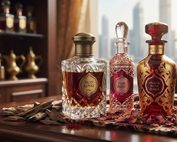
6. Oud and Agarwood
Oud, also known as agarwood, is valued for its rich, dark, woody, resinous, and distinctive fragrance character.
Natural oud is associated with Aquilaria trees and can be a high-value fragrance material. Due to sourcing and conservation considerations, fragrance manufacturers may also use oud-inspired accords and aroma chemicals when developing modern perfume compositions.
Oud is particularly popular in oriental, woody, luxury, and niche fragrances.
Top Synthetic Fragrance Raw Materials
7. Hedione
Hedione, also known as methyl dihydrojasmonate, is an important aroma chemical used extensively in modern perfumery.
It has a fresh, transparent, jasmine-like character and is valued for the radiance and diffusion it can provide to fragrance compositions.
Hedione is commonly used in floral, fresh, citrus, and fine fragrance formulations.
8. Iso E Super
Iso E Super is a widely used woody aroma chemical known for its smooth, velvety, cedar-like and ambery character.
It is commonly used in modern perfumes to create a soft woody effect and provide depth and diffusion.
Common applications include:
- Fine fragrances
- Woody perfumes
- Unisex fragrances
- Personal care products
- Fragrance compounds
9. Ambroxan
Ambroxan is an important modern amber-type aroma chemical used in many fragrance formulations.
It provides a warm, woody, amber-like character and is valued for its performance and versatility in fragrance compositions.
Ambroxan can be used in fine fragrances, personal care products, home fragrance, and other applications where an amber or warm base effect is required.
10. Synthetic Musks
Synthetic musks are widely used in modern fragrance formulations. They can provide clean, soft, powdery, musky, or skin-like effects and are often used in base notes.
Examples include materials such as Galaxolide and Ethylene Brassylate.
Synthetic musks are used across perfumes, soaps, detergents, cosmetics, personal care products, and home fragrance formulations.
11. Vanillin
Vanillin is one of the most recognizable aroma chemicals used to create a sweet, creamy, vanilla-like character.
It is widely used in gourmand, oriental, amber, and sweet fragrance compositions.
Vanillin can also be combined with other floral, woody, musky, and amber materials to create more complex fragrance profiles.
Other Important Fragrance Raw Materials
In addition to the materials discussed above, fragrance manufacturers use a broad range of ingredients to build different olfactory profiles.
Some commonly used materials include:
- Lavender oil
- Vetiver oil
- Ylang-ylang oil
- Cedarwood oil
- Linalool
- Citral
- Coumarin
- Galaxolide
- Calone
- Phenethyl alcohol
- Geraniol
- Citronellol
- Benzyl acetate
- Aldehydes
- Specialty woody materials
- Amber materials
- Fixatives
The right combination depends on the desired fragrance family, application, performance requirements, formulation, and regulatory considerations.
How Fragrance Manufacturers Choose Raw Materials
Selecting fragrance raw materials involves more than simply choosing an ingredient based on its smell.
1. Define the Fragrance Profile
First, determine the desired fragrance direction. It could be floral, woody, citrus, fruity, fresh, oriental, amber, musk, gourmand, or a combination of several families.
2. Consider Performance
The material should perform properly in the intended formulation. Factors such as diffusion, substantivity, stability, and compatibility can influence the final result.
3. Check Product Quality
For commercial manufacturing, consistent quality between batches is essential. Buyers should review the relevant technical specifications and quality documentation provided by the supplier.
4. Review Regulatory Requirements
Fragrance ingredients must be evaluated according to the requirements of the intended market and application. Buyers should review relevant safety, allergen, and fragrance standards before finalizing ingredients.
5. Evaluate Supply Reliability
A fragrance formula may depend on multiple ingredients. Reliable availability, consistent quality, suitable packaging, and dependable delivery can therefore be important when selecting a supplier.
What to Look for in a Fragrance Raw Material Supplier
For manufacturers and fragrance houses, supplier selection can directly affect product consistency and production reliability.
Consider the following factors before placing a bulk order:
Product Quality
Look for consistent specifications and suitable quality-control processes.
Technical Documentation
Depending on the product, request documents such as:
- Certificate of Analysis (COA)
- Safety Data Sheet (SDS/MSDS)
- Technical Data Sheet (TDS)
- Allergen information
- Relevant regulatory documentation
Bulk Availability
Manufacturers should confirm minimum order quantities, packaging options, stock availability, and lead times before purchasing.
Supply Experience
A supplier with established sourcing relationships and industry experience can help businesses maintain a more reliable raw material supply chain.
FAQs
What are fragrance raw materials?
Fragrance raw materials are ingredients used to create fragrance compositions. They include natural materials such as essential oils and absolutes and synthetic ingredients such as aroma chemicals, musks, and specialty fragrance molecules.
What are the main raw materials used in perfume manufacturing?
Common perfume raw materials include essential oils, absolutes, aroma chemicals, musks, woody materials, amber ingredients, aldehydes, resins, and other specialty fragrance ingredients.
What is the difference between natural and synthetic fragrance ingredients?
Natural fragrance ingredients are generally obtained from natural sources such as plants, while synthetic fragrance ingredients are individual compounds produced through chemical synthesis or biotechnology. Modern perfumes commonly use both.
Why are aroma chemicals used in perfumes?
Aroma chemicals can provide consistency, stability, specific fragrance effects, and greater formulation flexibility. They are also useful for creating fragrance profiles that may be difficult to obtain from natural materials alone.
What are the most commonly used aroma chemicals in perfumery?
Commonly used aroma chemicals include Hedione, Iso E Super, Ambroxan, Vanillin, Galaxolide, Linalool, Citral, Coumarin, and various floral, woody, amber, and musk materials.
What documents should I request when buying fragrance raw materials?
Depending on the ingredient, buyers may request documents such as a COA, SDS/MSDS, TDS, allergen information, origin details, and relevant regulatory or IFRA documentation.
Conclusion
Fragrance raw materials form the foundation of modern perfumery. Natural materials such as rose, jasmine, bergamot, patchouli, sandalwood, and oud provide distinctive and complex fragrance characteristics, while aroma chemicals such as Hedione, Iso E Super, Ambroxan, synthetic musks, and Vanillin provide consistency, performance, and creative flexibility.
For perfume manufacturers, cosmetic brands, personal care companies, and other formulators, selecting the right ingredients is only part of the process. Consistent quality, technical documentation, regulatory suitability, bulk availability, and reliable supply are equally important.
Most Recent Posts